





NEWS
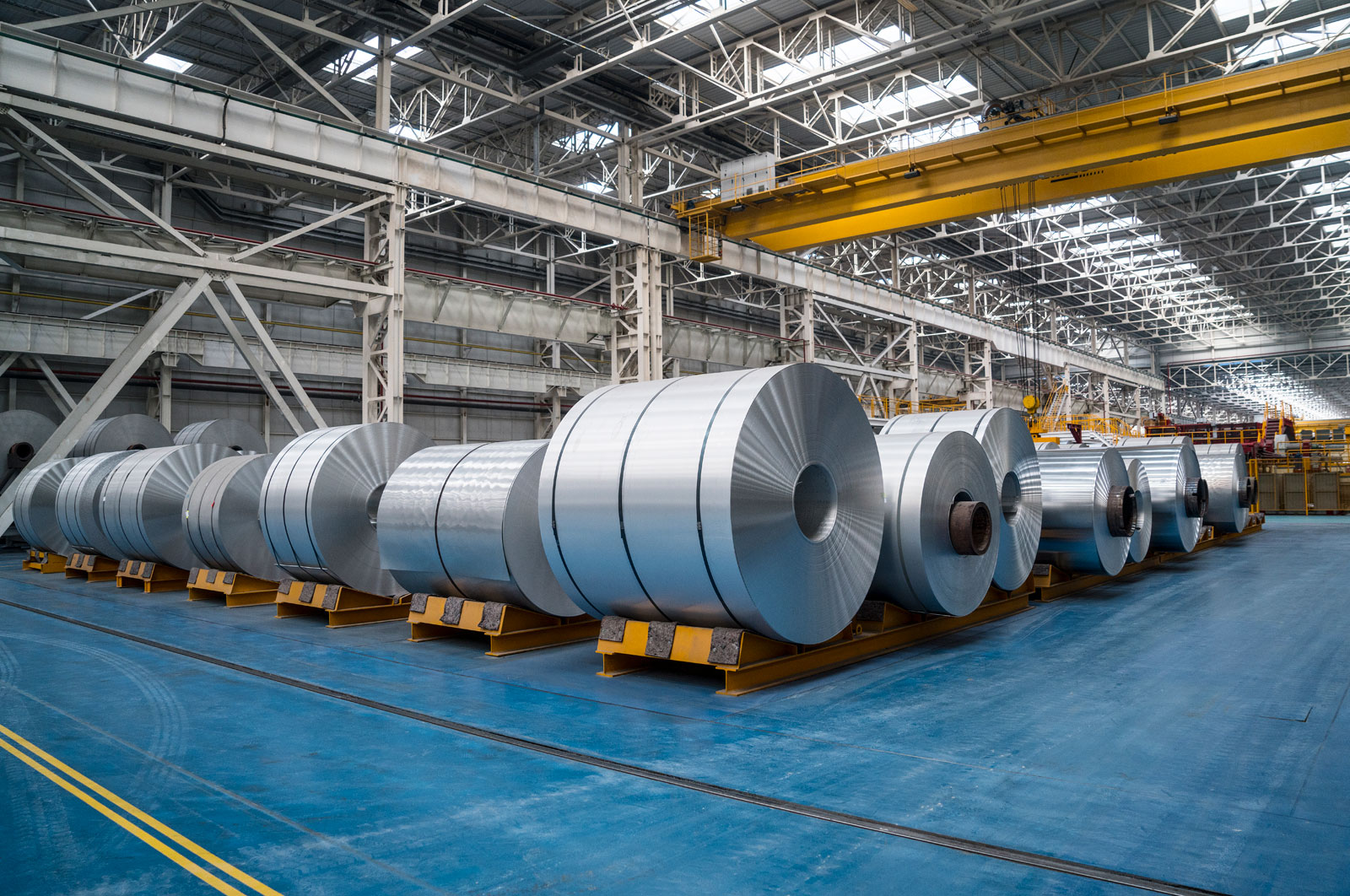
Aluminum Sheet Classification:
Based on alloy composition, it can be divided into pure aluminum sheet and various alloy aluminum sheet.
Pure aluminum sheet: Made from rolled pure aluminum, it has high plasticity, good electrical and thermal conductivity, but low strength and is not resistant to heat treatment.
Alloy aluminum plate: formed by adding alloying elements (such as copper, manganese, magnesium, silicon, and zinc) to pure aluminum to improve strength, corrosion resistance, and machinability. Common aluminum alloy series include 1××× series (pure aluminum), 2××× series (aluminum-copper), 3××× series (aluminum-manganese), 4××× series (aluminum-silicon), 5××× series (aluminum-magnesium), 6××× series (aluminum-magnesium-silicon), 7××× series (aluminum-zinc), etc.
Based on the processing technology, aluminum sheets are classified into cold-rolled and hot-rolled sheets.
Cold-rolled aluminum sheet: Produced through cold rolling.
Hot-rolled aluminum sheet: Produced through hot rolling.
Based on thickness, aluminum sheets are classified into thin sheets and medium-thick sheets.
Thin sheets: Thinner aluminum sheets.
Medium-thick sheets: Thicknesses between thin and thick sheets.
Based on surface shape, aluminum sheets are classified into flat sheets and patterned sheets.
Flat sheets: Aluminum sheets with a smooth surface.
Patterned aluminum sheets: Aluminum sheets with an embossed pattern, such as five-rib patterned sheets.
Aluminum sheets are widely used in many fields, including architectural decoration (curtain walls, suspended ceilings), transportation (automobiles, aviation components), household appliances (refrigerators, audio housings), electronics industry (radiators, circuit boards), and other industries (molds, pipe coverings).
Leave A Message
If you are interested in our products and want to know more details, please leave a message here, we will reply you as soon as we can.