





NEWS
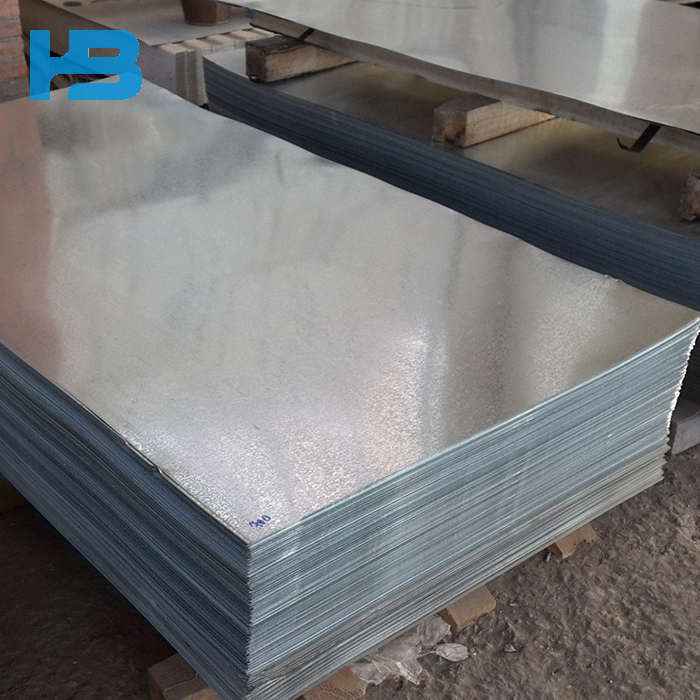
A sheet is a sheet material made of aluminum or aluminum alloy, or a sheet aluminum product made from flat aluminum billets through processes such as heating, rolling and straightening or solution aging heat treatment.
Aluminum panels used in construction include various materials such as single-layer aluminum panels and composite aluminum panels. Generally, it often refers to single-layer aluminum panels (also called single aluminum panels or pure aluminum panels), which are mostly used in architectural decoration projects. Aluminum panel curtain walls are a type of curtain wall; simply put, they are curtain walls made using aluminum panels instead of glass. Aluminum panel curtain walls are mostly used for wall cladding and non-transparent walls. Overseas, single-layer aluminum panels have always been the preferred choice for aluminum panel curtain walls. Currently, single-layer aluminum panels are more commonly used in domestic aluminum panel curtain walls because they can be coated in various colors, have good strength, low cost, and long lifespan. If not in direct contact with steel, aluminum panels hung on the wall will not peel or corrode for 50 years.
Material
Composite aluminum sheet: Two layers of 0.5mm thick pure aluminum sheets sandwiching PVC or PEC plastic, rolled and heat-sealed.
Aluminum alloy single sheet: 2-3mm thick aluminum alloy sheet.
Fluorocarbon coating
Composite aluminum sheet: One-time roll printing, coating thickness is generally 20μm.
Aluminum alloy single sheet: Completed by 2 or 3 spray coatings, coating thickness is generally 30-40μm.
color
Aluminum composite panels: Available in a variety of colors, primarily monochrome and iridescent. Patented colors feature a surface coating for excellent durability and color consistency.
Aluminum alloy single panels: Colors can be freely selected according to design and client requirements.
Lifespan
Composite Aluminum Panels: Domestic panels last approximately 10 years, while imported panels, due to their superior color and strength, can last over 20 years, requiring no maintenance.
Aluminum Alloy Single Panels: Up to 15 years, often due to deformation caused by weather and wind pressure, resulting in color fading.
Airtightness
Composite Aluminum Panel: Open at all four corners.
Aluminum Alloy Single Panel: Sealed tightly at all four corners.
Wind Resistance
Composite Aluminum Panel: Minimal wind pressure deformation resistance; imported composite panels have extremely high wind pressure resistance.
Aluminum Alloy Single Panel: High wind pressure deformation resistance; easily deformed.
Temperature Change Resistance
Composite Aluminum Panel: Composite panels processed using ordinary adhesive bonding techniques are prone to blistering and peeling due to the significant difference in expansion coefficients between aluminum and plastic.
Aluminum Alloy Single Panel: Made of the same material, temperature changes have no impact on the wall panel itself.
Lightning Resistance
Composite aluminum panels: Not resistant to lightning strikes; powerful currents are difficult to pass through for grounding, and even a 0.5mm thick aluminum panel can be punctured.
Aluminum alloy single panels: Can act as excellent conductors of electricity, rapidly transmitting the massive current from lightning strikes to the ground through the building's grounding system.
Processability
Composite Aluminum Panels: Can be processed on-site, adaptable to dimensional variations caused by on-site construction errors.
Aluminum Alloy Single Panels: Factory-manufactured, less adaptable to on-site construction errors, requiring higher standards for secondary design.
Yield Rate
Composite Aluminum Panels: Generally 80%–95%.
Aluminum Alloy Single Panels: 100%.
Yield Rate
Composite Aluminum Panels: Grooving is done manually on-site. If the groove depth is not well controlled, it will damage the outer aluminum panel, causing breakage during bending and resulting in scrap. The yield rate is generally 96%-98%.
Aluminum Alloy Single Panels: Manufactured in the factory, with a 100% yield rate.
Construction Quality
Composite Aluminum Panels: Because wall panels are mostly processed on-site, quality control conditions are poor, and shoddy workmanship and the use of inferior materials are prone to occur at this stage. The quality of the wall panels will affect the construction quality.
Aluminum Alloy Single Panels: Manufacturers control production quality according to international standards, ensuring reliable wall panel quality and providing a prerequisite for guaranteeing construction quality.
Environmental Protection
Composite Aluminum Panels: The choice of core material is crucial. Generally, core materials produce harmful gases at high temperatures, are not fireproof, and are difficult to recycle.
Aluminum Alloy Single Panels: Fireproof, easily recyclable, and environmentally friendly.
Applications
Composite Aluminum Panels: Suitable for curtain wall projects.
Aluminum Alloy Single Panels: Suitable for facade decoration, elevated walkways, pedestrian bridges, and low-rise curtain walls.
The building curtain wall market is becoming increasingly diversified, forming a multi-faceted market structure dominated by aluminum, plastic, wood, and steel. The application of new materials and technologies will lead to more new products. Compared with other industries, aluminum panel curtain wall products have less product differentiation, resulting in more intense competition. Aluminum panel curtain walls can have diverse shapes and can be perfectly combined with glass and stone curtain wall materials. They are lightweight, only one-fifth the weight of marble and one-third the weight of glass curtain walls, significantly reducing the load on the building structure and foundation. They also have low maintenance costs and a high performance-to-price ratio.
Aluminum panel curtain walls typically undergo pretreatment such as chromating before being coated with fluorocarbon paint. Fluorocarbon coatings offer excellent corrosion resistance and weather resistance, resisting acid rain, salt spray, and various air pollutants. They also exhibit excellent resistance to extreme temperatures, withstand strong ultraviolet radiation, maintain their color for a long time, and have a long service life.
Due to energy conservation policies, the product structure of aluminum panel curtain walls in China will undergo significant changes. Aluminum alloy curtain walls will still primarily consist of exposed frame, concealed frame, and aluminum panel curtain walls. Unitized curtain walls have good development prospects in large and medium-sized cities, while double-layer, intelligent, and sunshade-equipped aluminum alloy curtain walls will gradually mature and improve. The market share of aluminum panel curtain walls in the building curtain wall market will remain above 55%, with significant changes in product structure. Influenced by national building energy conservation policies and the energy crisis, the usage rate of energy-saving and environmentally friendly aluminum panel curtain walls will increase significantly.
Leave A Message
If you are interested in our products and want to know more details, please leave a message here, we will reply you as soon as we can.